
Recruitment
AR and VR in Recruiting: The Future or a Fad?
Examining AR and VR’s role in modern recruitment strategies.

Features Editor · ReHack
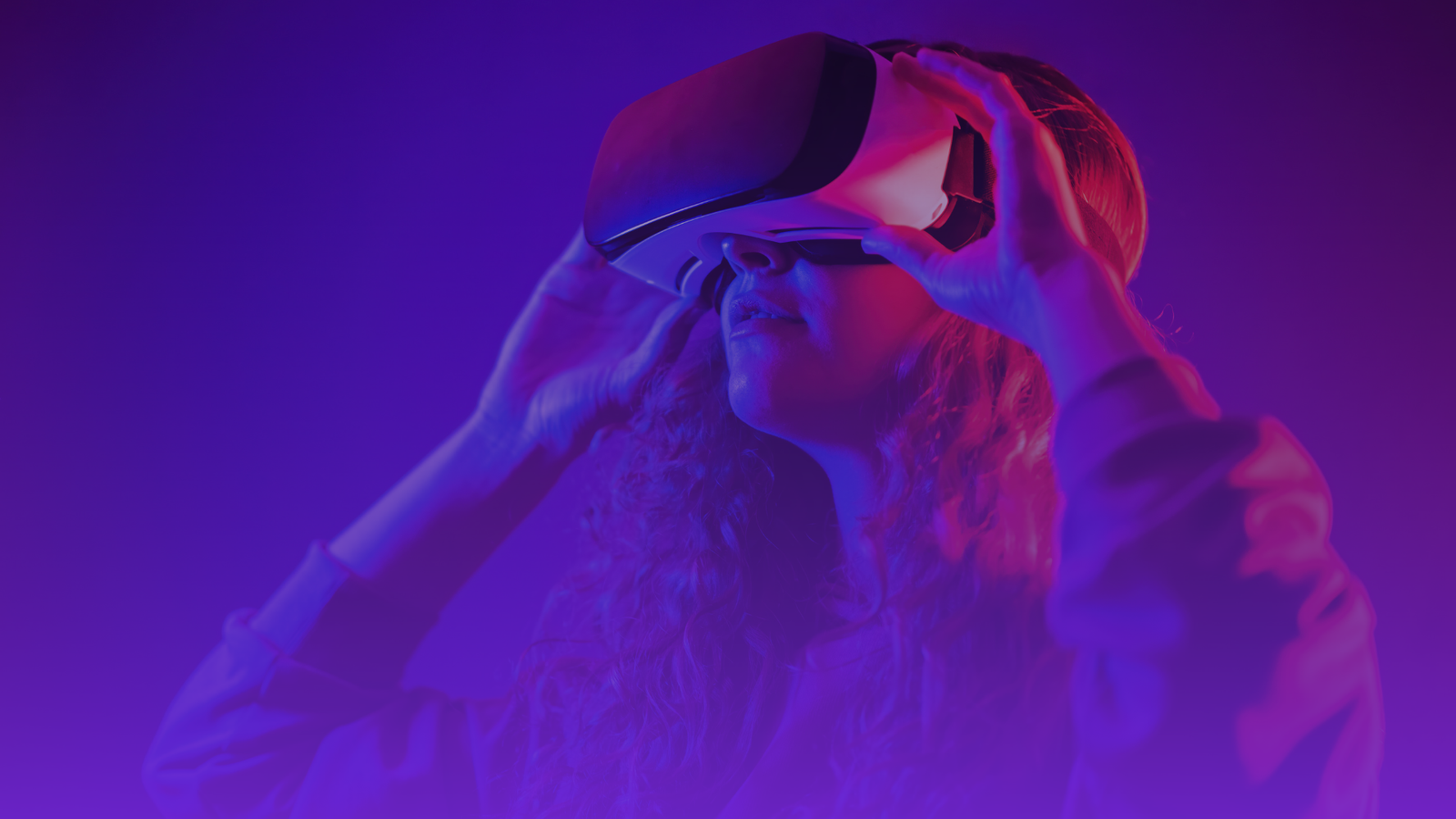
Recruiters have a huge range of tech available to them today. Augmented reality (AR) and virtual reality (VR), in particular, have gained a lot of attention in this space lately. However, not everyone is equally bullish on the concept.
VR and AR have grown a lot in consumer circles, but what about commercial applications? There’s much to gain from this tech, but at the same time, just because something gets a lot of buzz doesn’t mean it’ll disrupt the industry. It’s important to look closer at its long-term potential before investing heavily in it.
Use Cases for AR and VR in Recruiting
Before judging anything else, you need to know how you can use AR and VR in recruiting. While this field is still relatively new, there are already several ways businesses can implement it.
Face-to-Face Remote Interviews
One of the most straightforward uses for VR in recruiting is holding interviews in virtual spaces. Because the tech creates immersive digital environments, it offers an engaging alternative to videoconferencing. Remote interviews can feel like face-to-face meetings.
An estimated 92 million people will work remotely by 2030. While that’s great news for finding top talent outside of tight local markets, face-to-face communication is inherently more helpful for all involved. Video calls offer a leg up over phone conversations, but VR takes things to the next level.
VR lets people on both sides of the meeting read each other’s body language. It also cuts out off-screen distractions by fully immersing people in the same virtual environment. This use case is still in its infancy, so it hasn’t seen widespread adoption yet, but the potential is hard to ignore.
Virtual Tours
Alternatively, you could use VR to offer job applicants a virtual tour of the workplace. Office tours are one of the best virtual recruitment strategies, but prerecorded videos are unengaging and feel staged. Modern technology offers a solution by letting you live stream a walkthrough with a 360-degree camera for participants to explore through VR.
VR tours give a firsthand look at the actual workplace as employees will experience it. By removing staged environments and scripted actors, you promote a feeling of authenticity and manage expectations more accurately. Job applicants can then make better decisions about whether a role is right for them.
This application is particularly helpful for workers who must relocate or those facing tight schedules with their current positions. Walkthroughs may otherwise be impossible or impractical for them, but VR closes the gap.
Work Simulations
Some companies have experimented with VR and AR as a testing tool. Walmart, for example, rolled out a VR program to simulate real-world scenarios a manager may encounter to assess applicants’ ability to handle these situations. The immersive environment more closely mimics the workplace than a paper test, making it a better way for job seekers to show their skills.
Heavy industries can use the same underlying technology to assess people’s mechanical knowledge without the physical risks of working with real machinery. A candidate may repair a virtual engine or rewire a virtual circuit to demonstrate their experience. Whatever the specifics, VR combines the relevance of real-world testing with the safety and convenience of the classroom, perfect for high-risk industries like:
- Construction
- Manufacturing
- Health care
- Utilities
- Emergency response
Job-seekers can use similar tools in their own time to train for an upcoming assessment. As a result, qualified workers can overcome test anxiety or similar challenges.
Tech-Assisted Training
Similarly, extended reality tech can streamline the training process after hiring someone. Virtual environments provide a safe place to practice critical skills before diving into workplaces where learning on the job could be risky.
A hospital in Singapore experimented with VR as a way to train staff to recognize and avoid unnecessary processes. After the trial, a staggering 100% of employees said it improved their understanding of the principles the simulations tried to teach. It’s also worth noting that such improvements came without the risks of navigating a real-world hospital, where mistakes would be costlier.
AR has a unique edge in some jobs. Mechanics and construction workers, for instance, can pull up step-by-step instructions while maintaining their view of the real world. As a result, they can work alongside reference material to avoid mistakes without needing a supervisor present.
Advantages of VR and AR in Recruiting
Across all use cases, VR and AR have several advantages in recruiting. The benefits extend to employers and job candidates, too.
Removed Geographic Barriers
One of the biggest upsides to VR in recruitment is it brings firsthand experiences to remote team members. Acquiring workers outside the area is a great way to break out of local competition and find top talent despite regional shortages. However, conventional video interviews and virtual tours are lacking.
Consider how 53% of remote workers say working from home makes it harder to connect with coworkers. That same loss of connection hampers the interview process. Because VR brings in the body language and immersion videoconferences lack, it offers a better connection for more successful assessments and onboarding.
By replicating the real world, VR and AR bring in-person benefits to remote employees. As a result, you can work around geographic barriers to make the most of relocation or working from home.
Improved Engagement
VR and AR are also engaging. Placing people in an immersive digital space involves more of the senses than a video or a pen-and-paper test. It’s a better way to drive interest and focus in the application process and eventual workplace.
Engaging people early is crucial. Replacing a single worker can cost twice their annual salary, so retainment is often preferable to addressing turnover with new hires. Workplace engagement is a huge factor in keeping existing staff with the company, and digital reality tech lets you do so right off the bat.
Boosting focus and immersion during the interview process will also produce reliable assessment results and authentic communication. Those benefits are critical in finding the right fit for an open role.
Better Skill-Based Hiring
Because VR and AR experiences are so similar to real-world environments, they’re a better place to test applicants’ abilities. You can simulate situations they may encounter on the job to see how they’d perform instead of waiting for them to learn in the moment and make accurate hiring decisions.
Resumes and interview questions do not always offer accurate pictures of a candidate’s skills. Sometimes, you need to see someone in action to determine if they’re a good fit. Simulations let you do so without disrupting the real workplace.
This edge is what led Walmart to embrace VR in recruiting and onboarding. Management found virtual tests let them immerse people into the workplace without interacting with real customers — a pressing concern for a 24/7 business.
Unique Experiences
It’s also hard to overlook the novelty VR and AR bring to the recruitment process. Younger employees enjoy using cutting-edge tech. Consequently, integrating it into your interviews can interest a younger workforce from the start.
Gen Z equates tech with a good workplace — 70% would switch jobs for access to better tools. Considering they will make up a larger portion of the workforce in the future, you need to target them now to ensure ongoing success. A tech-centric recruitment strategy is not the only way to meet this trend, but it is an important step.
Job seekers of all ages also likely haven’t seen many workplaces using these technologies. You set yourself apart by using them, making candidates likelier to choose your office over another that doesn’t offer as novel an experience.
Potential Challenges
Despite these upsides, there are still plenty of disadvantages to VR and AR. It’s important to consider them before staking the future of your recruitment strategy on the technology.
High Costs
The most obvious downside is new technologies are expensive. VR headsets cost around $427 on average, and enterprise-grade mixed reality options — which may be more helpful — often range in the thousands.
As with all tech, VR and AR prices will fall with time. However, their current price keeps them from being accessible to many organizations. By the time they’re cheaper, larger companies may have already capitalized on their potential before smaller businesses can keep up.
Using these gadgets in interviews may require a stronger network connection, leading to additional IT costs. You’ll also need to consider the price of software development if you plan on creating virtual assessments or training scenarios. While the benefits may justify the spending in the long run, that only applies if you can afford the upfront investment.
Logistical Challenges
Setting up an AR or VR interview can also be challenging. Most people do not own a headset, so how do you conduct a remote assessment in VR? You could ship applicants a device, but this is expensive and risky. You could use phone-based VR apps, but these are limited and not as immersive.
Compatibility is another issue. Even if you get a headset to someone, a poor internet connection will hinder their immersion. Similarly, they may be unable to get the technology up and running in time without prior experience.
VR and AR training in a classroom setting overcomes many such issues. However, that still leaves remote interviews without a solution.
Technical Limitations
As impressive as VR and AR can be, it’s also worth noting that they’re far from perfect. Today’s technology can’t produce hyper-real simulations in VR. While that’s not an issue for training simulations, it can make meetings, walkthroughs and interviews distracting.
Consider how poorly people reacted to Meta when Mark Zuckerberg posted a “selfie” in the metaverse platform. The cartoonish graphics drew far more attention than the possibilities of the VR solution itself. Similar technical limits could counteract any communication benefits virtual interviews offer.
While VR may be more immersive than a videoconference, it does not look like the real world. Consequently, participants may be distracted by the appearance or feel even more disconnected from the others in the conversation.
Are AR and VR the Future of Recruiting?
Given these remaining obstacles, it will take time for VR and AR to reach their full potential in recruiting. Technological improvements will address many of the biggest hurdles, such as graphical limitations, costs and network interruptions. However, this technology likely won’t rewrite recruitment as the world knows it even then.
Many people don’t find VR and AR as exciting as businesses do. Just 12% of American internet users say they’re interested in the metaverse. Lack of interest may hinder adoption, leading to slower technological development and counteracting some of the engagement and novelty benefits.
Still, some hiring and onboarding practices can see significant improvements from AR and VR, even with today’s technology. These include:
- Performance assessments in hectic or dangerous workplaces.
- Training for hazardous roles.
- Career development courses.
- Training with limited supervision.
Enterprises relying on requiring processes like this should consider VR and AR adoption. Other businesses can still take advantage of the technology’s alternative use cases, but they won’t experience quite the same return on investment.
Extended Reality Tech Is Helpful But Not Revolutionary
In the end, AR and VR may not revolutionize the recruiting industry. That said, they can bring necessary improvements to some niche applications and sectors. Whether the technology is a fad or a competitive advantage depends on the type of roles you must fill and your current challenges.